Simon Caplin
Head of Auctions
01273 762039

Lucy Rowland
Auction Assistant
01273 762039

01273 762039
01273 762039

01273 762039
01273 762039
01273 762039
01273 762039




01273 762039

01273 762039
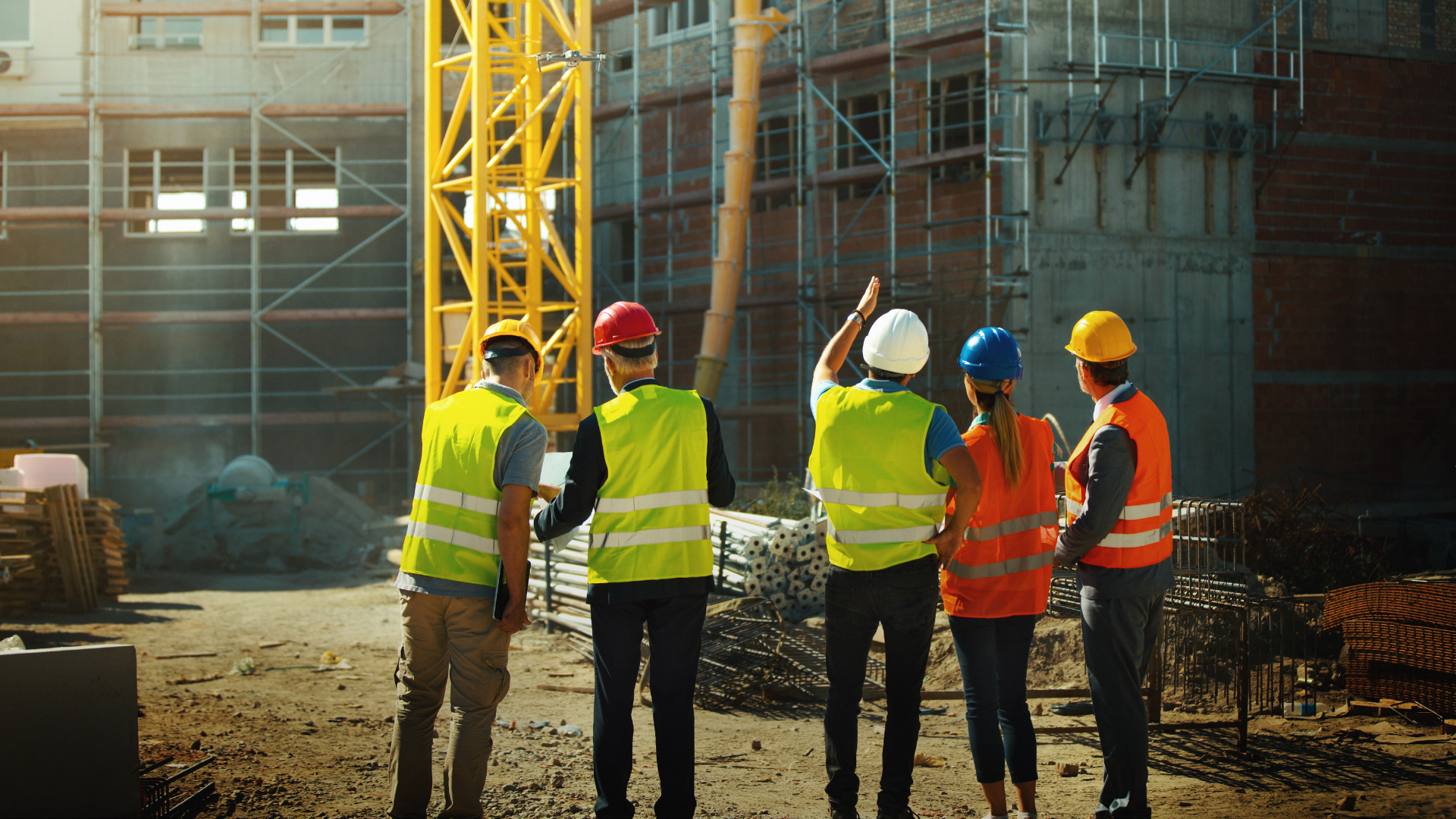
While often working behind the scenes, property management plays a central role in transforming a newly built structure into a functioning, efficient, and desirable place to live or work. The transition from development to occupation isn’t simply a handover, it’s a complex process that demands early planning, cross-functional collaboration, and long-term thinking.
When done right, effective property management not only ensures operational excellence but also supports sustainability targets, enhances user experiences, and maximises return on investment for owners and landlords.
Here’s how a forward-thinking approach to property management can shape the future of high-performing buildings.
Bridging the Gap Between Construction and Use
A major challenge in modern property development lies in ensuring that the vision conceived during the design and construction phase translates into a fully functional, efficient building post-completion. This gap often emerges when property management is not integrated early enough in the process. Without input from operational experts during planning, buildings may face avoidable setbacks such as technical inefficiencies, costly retrofits, or features that don’t align with occupier needs.
Bringing property managers into the fold at the outset helps guide key decisions around systems, layout, and smart technologies, ultimately ensuring a smoother transition into day-to-day operations.
Smart Buildings Begin with Smart Planning
To meet the rising demand for intelligent, connected buildings, early alignment with property management professionals is essential. Their involvement ensures that smart technology, from automated climate systems to advanced access controls, is not only installed but effectively integrated into the management ecosystem. Too often, systems are handed over without proper coordination, leading to functionality issues and delays.
Planning for the operational stage should begin well before construction ends. Doing so allows for proper staff training, software integration, and the ‘soft landings’ approach that supports a seamless handover and avoids tenant frustrations.
Building for Efficiency and Sustainability
A beautifully designed building can still fall short when it comes to energy performance. This is where property management’s role becomes even more critical. Systems must not only function as intended but be continually optimised to reduce waste and maximise efficiency.
Tools like NABERS ratings focus on real-world performance, measuring energy consumption after occupancy. With experienced property managers involved early, buildings can be fine-tuned to hit, and sustain, ambitious energy and sustainability targets from day one.
Designing for People: Occupier Experience Matters
Modern occupiers expect more than just four walls and a roof. They want comfort, safety, and convenience; features that directly impact productivity and satisfaction. Thoughtful property management brings these qualities to life, ensuring that operational decisions enhance the user experience.
From intuitive lighting and ventilation systems to responsive security and user-friendly digital interfaces, property managers are responsible for creating spaces that truly work for their occupants. This requires understanding user behaviour, anticipating needs, and designing flexible solutions that can evolve over time.
Future-Proofing Through Net Zero Readiness
As environmental regulations tighten and expectations around sustainability rise, buildings must be prepared to meet future net zero requirements. Embedding sustainable practices into the early stages of design and construction is no longer optional, it’s a necessity.
Property managers are well-positioned to guide this process, helping to ensure that environmental considerations are factored in from the beginning and carried through into long-term operations. Their insight supports long-term energy performance, regulatory compliance, and appeal to eco-conscious investors and tenants.
A Multidisciplinary Approach for Long-Term Success
The success of a building doesn’t end with its completion, it begins there. Achieving a high-functioning, future-ready asset requires a collaborative, multidisciplinary approach that brings together design, construction, technology, and property management.
When property managers are part of the team from the earliest stages, the result is a building that performs better, costs less to operate, delivers on sustainability goals, and provides a superior experience for its users. In an increasingly competitive market, this level of foresight can set a property apart and drive long-term value for all stakeholders.
Need Expert Guidance? PS&B Is Here to Help
Whether you’re navigating smart building strategies, sustainability targets, operational integration, or occupier satisfaction, PS&B offers trusted support backed by two centuries of experience. Reach out for tailored advice, seamless handovers, and enduring success.


01273 762039
01273 762039


01273 762039

01273 762039